Ventilation Upgrades: Why Modern Roofs Need Better Airflow Than Ever
Here’s something most homeowners don’t realize:
Newer roofs actually need more ventilation than older ones — not less.
Sounds backwards, right?
But as building practices evolve, some modern improvements have created new challenges.
At Weatherproof Roofing Inc., we’re seeing a growing trend across Edmonton:
More attic condensation
More frost buildup
More mystery leaks
More “attic rain” in winter
And most of the time…
It’s not the shingles.
It’s ventilation.
Why Old Houses Rarely Had Condensation Problems
Let’s rewind 50+ years.
Many older homes had:
Cedar shake roofs
Minimal insulation
Lots of natural air leakage
Drafty attics
From an energy standpoint? Not great.
But from a ventilation standpoint?
Air moved freely.
Those roofs could “breathe” naturally.
Warm, moist air didn’t get trapped — it escaped easily.
So condensation wasn’t a big issue.
What Changed With Modern Roofing
Fast forward to today.
Homes are now built (or upgraded) to be:
✔ Better insulated
✔ More airtight
✔ Wrapped in vapor barriers
✔ Sealed tightly for efficiency
Which is fantastic for heating bills…
But here’s the trade-off:
The attic can’t breathe anymore.
Once a modern roof system is installed, especially with:
Underlayment membranes
Ice & water shield
Vapor barriers
Tighter construction
Your attic becomes fully dependent on intake and exhaust vents to move air.
There’s no more “natural leakage” helping you out.
If the vents aren’t perfect…
Roof condensation problems start fast.
What Happens When Ventilation Isn’t Enough
Here’s the science in simple terms:
Warm air rises into the attic
Moisture comes with it
Cold roof deck cools that air
Condensation forms
Frost builds up
Then melts later
And suddenly it looks like:
A roof leak
Water dripping
Wet insulation
Stains on ceilings
But it’s actually just trapped moisture in the attic.
We call it attic rain.
And as an Edmonton roofing company, we see it every winter.
The Hidden Problem: Added Insulation Blocking Airflow
Here’s another issue most people miss.
Older attics had very little insulation.
Even limited vents worked fine because:
Air had lots of space to move.
But over the years, homeowners add:
More blown-in insulation
More upgrades
Higher R-values
Which is great…
Except now:
Intake vents at the soffits get blocked
Insulation covers airflow paths
The attic “suffocates”
So even if vents exist, they’re not actually working.
No intake = no airflow.
No airflow = condensation.
Why Ventilation Must Be Part of Every Roof Replacement
This is the big one.
When you replace a roof today, you’re essentially:
Wrapping the home tighter than ever
Which means ventilation becomes critical, not optional.
If your contractor only replaces shingles but ignores:
Intake vents
Exhaust vents
Airflow paths
Attic baffles
Insulation blockages
You’re setting yourself up for future attic moisture problems.
Even with a brand-new roof.
And nothing’s more frustrating than:
“A new roof that still leaks.”
What Proper Ventilation Looks Like
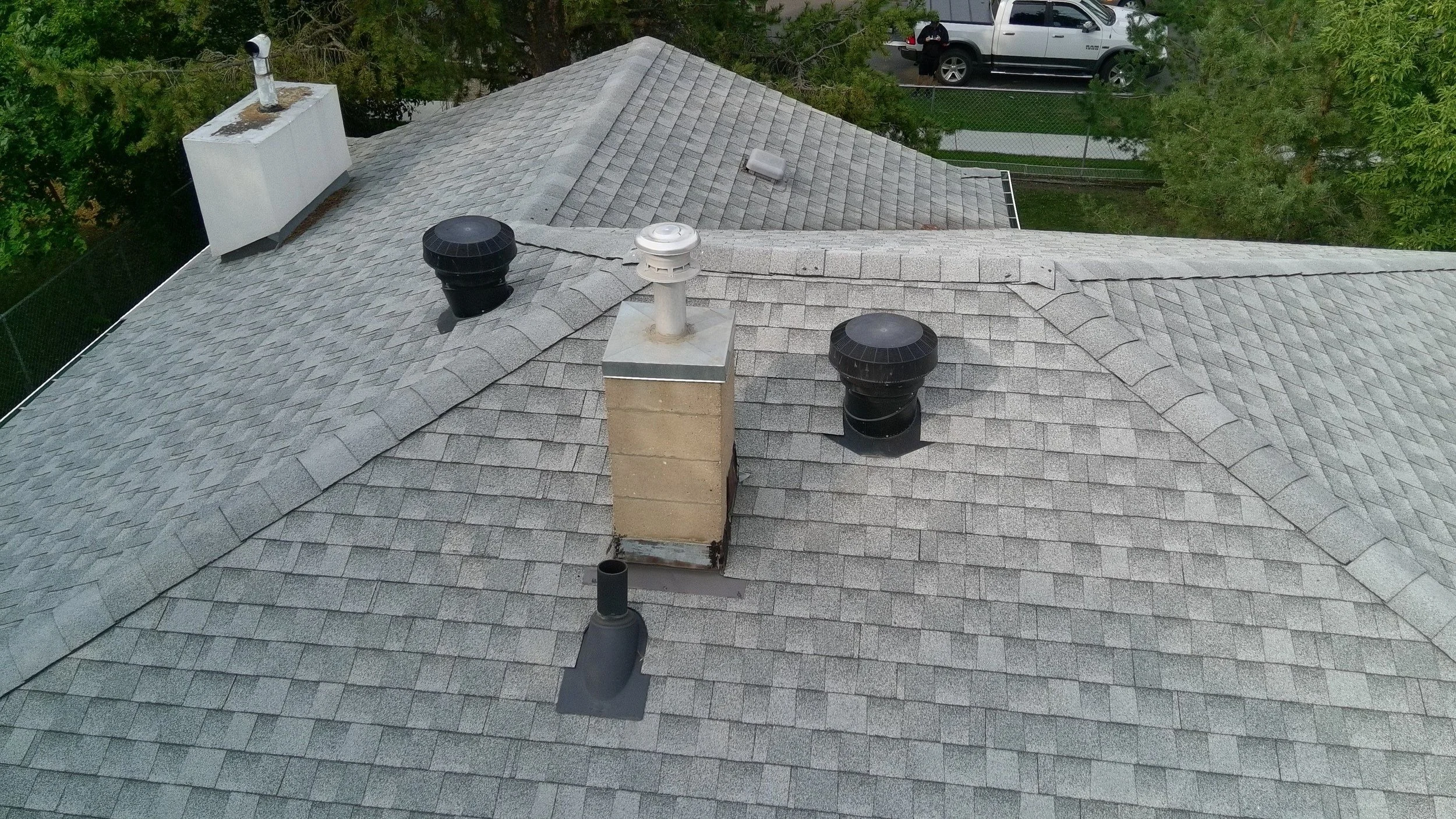
A healthy attic needs:
✔ Balanced intake + exhaust
Air in low (soffits), out high (ridge/roof vents)
✔ Clear airflow paths
Proper attic baffle installation ensures insulation doesn't block the vents
✔ Proper vent sizing
Enough vents for the attic square footage
✔ Moisture control
Bathroom fans and vents sealed properly
It’s a system — not just holes in the roof.
Signs You Might Have a Roof Ventilation Problem
Watch for these signs of poor roof ventilation:
Frost in the attic
Ice damming
Wet insulation
Mold smells
Winter ceiling stains
Attic condensation in winter
Peeling paint near ceilings
Shingles aging prematurely
Bathroom fan leaks
Condensation on nails or wood
These are often ventilation issues, not roofing failures.
How We Handle Ventilation Upgrades
At Weatherproof Roofing, attic ventilation in Edmonton is always part of the conversation.
Whether it’s:
✔ During a roof replacement
✔ Or a standalone attic upgrade
We assess:
Intake vents
Exhaust vents
Airflow balance
Insulation levels
Blockages
Moisture sources
Then design the system properly.
Because once the roof is sealed tight, the vents become the lungs of your house.
If they can’t breathe, problems follow.
Final Thought
Modern roofs are stronger and more efficient than ever.
But they only work properly if they’re ventilated correctly.
Good ventilation isn’t an upgrade.
It's essential to preventing condensation in the attic in winter.
Planning a Roof Replacement or Having Winter Moisture Issues?
Let’s take a look at your attic and roof ventilation system before small condensation problems turn into big repairs.
Reach out to Weatherproof Roofing to book a detailed attic inspection in Edmonton, and we’ll show you exactly what’s happening up there — including how to improve attic ventilation and eliminate the attic rain causes for good.
Because a roof should protect your home — not keep you up at night worrying about it.